
Burns
Think of your skin as a high-tech, multifunctional shield. It is the body’s largest organ, it’s a living barrier that breathes, feels, and protects. The skin is constantly multitasking to keep your internal systems stable:
Defense: It acts as a biological wall against germs, harmful UV rays, and dehydration.
Thermostat: It regulates your body temperature so you don't overheat or freeze.
Sensor: It houses a massive network of nerves that detect touch, pressure, and pain.
Factory & Storage: It produces Vitamin D from sunlight and stores essential water and fat.
What happens in burns. While the skin is tough, it is highly sensitive to extreme temperatures, even though high heat is associated with burns, sometimes extreme cold can also cause burns. In all cases, the damage isn't just "on the surface"—it causes a chemical change in your body’s healing process..
Protein Denaturation: This is the medical term for what happens when heat changes the shape of proteins (similar to how a clear egg white turns solid and white when fried). Once these proteins are "denatured," they can no longer function, leading to cell death.
Structural Damage: High temperatures can destroy not only the visible skin but also the deeper "infrastructure," like sweat glands, hair follicles, and blood vessels.
The medical classification is based on the layers of tissue affected: Burn injuries are categorized by the depth of tissue damage, starting with Superficial (1st Degree) burns, which only affect the top layer of skin (the epidermis) and typically cause redness and pain without blistering, much like a mild sunburn. Partial-Thickness (2nd Degree) burns reach deeper into the middle layer (the dermis), resulting in intense pain, swelling, and the formation of blisters. The most severe are Full-Thickness (3rd Degree) burns, which destroy all skin layers and the underlying fat; these often appear charred or white and, counterintuitively, may be painless because the heat has destroyed the nerve endings in the area.
Whether the cause is fire, hot liquid (scalds), chemicals, extreme cold, or electricity, the "depth" determines the treatment and how well the skin will be able to perform its many jobs during recovery.
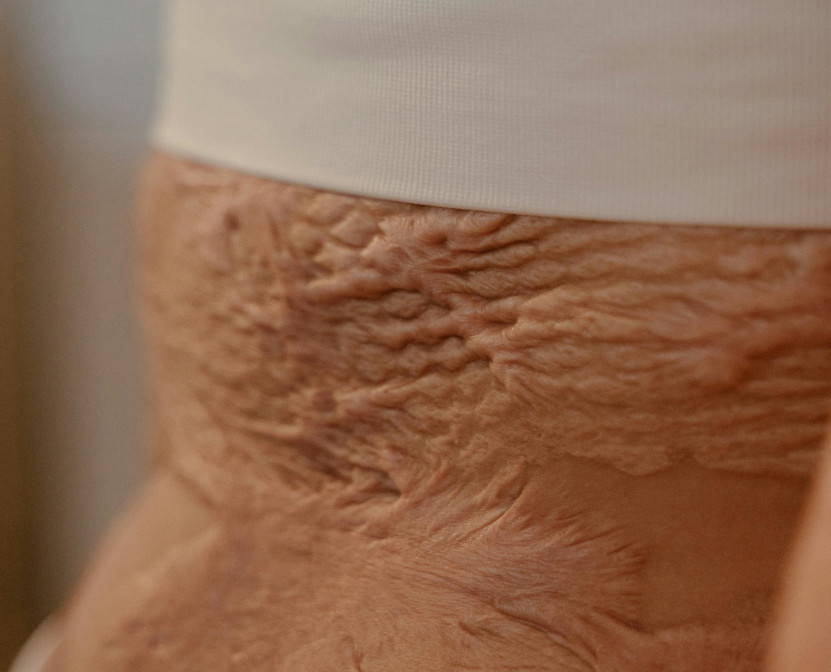
A wound should not leave a permanent mark of shame. By integrating plastic surgery principles into every phase of wound care, we proactively manage the healing environment to minimize scarring. Whether through the use of adequate compression techniques, advanced dressing materials, synthetic grafts that reduce tension or specialized post-closure therapies, we aim to restore the skin to its near-original state.
At Halo Wound & Restorative Clinic, we recognize that specialized burn care is often a missing link in general medicine. Many patients find themselves navigating a complex healthcare system to find appropriate outpatient treatment for these sensitive injuries. Our clinic bridges that gap by providing expert management for minor to moderate burns—those that do not require hospitalization or surgery but still demand meticulous, frequent care. By intervening early, we focus on minimizing the risk of infection, pathological scarring, and skin contractures, ensuring that your recovery preserves both physical function and personal confidence.
Think of your skin as a high-tech, multifunctional shield. It is the body’s largest organ, it’s a living barrier that breathes, feels, and protects. The skin is constantly multitasking to keep your internal systems stable:
Defense: It acts as a biological wall against germs, harmful UV rays, and dehydration.
Thermostat: It regulates your body temperature so you don't overheat or freeze.
Sensor: It houses a massive network of nerves that detect touch, pressure, and pain.
Factory & Storage: It produces Vitamin D from sunlight and stores essential water and fat.
What happens in burns. While the skin is tough, it is highly sensitive to extreme temperatures, even though high heat is associated with burns, sometimes extreme cold can also cause burns. In all cases, the damage isn't just "on the surface"—it causes a chemical change in your body’s healing process..
Protein Denaturation: This is the medical term for what happens when heat changes the shape of proteins (similar to how a clear egg white turns solid and white when fried). Once these proteins are "denatured," they can no longer function, leading to cell death.
Structural Damage: High temperatures can destroy not only the visible skin but also the deeper "infrastructure," like sweat glands, hair follicles, and blood vessels.
The medical classification is based on the layers of tissue affected: Burn injuries are categorized by the depth of tissue damage, starting with Superficial (1st Degree) burns, which only affect the top layer of skin (the epidermis) and typically cause redness and pain without blistering, much like a mild sunburn. Partial-Thickness (2nd Degree) burns reach deeper into the middle layer (the dermis), resulting in intense pain, swelling, and the formation of blisters. The most severe are Full-Thickness (3rd Degree) burns, which destroy all skin layers and the underlying fat; these often appear charred or white and, counterintuitively, may be painless because the heat has destroyed the nerve endings in the area.
Whether the cause is fire, hot liquid (scalds), chemicals, extreme cold, or electricity, the "depth" determines the treatment and how well the skin will be able to perform its many jobs during recovery.
A wound should not leave a permanent mark of shame. By integrating plastic surgery principles into every phase of wound care, we proactively manage the healing environment to minimize scarring. Whether through the use of adequate compression techniques, advanced dressing materials, synthetic grafts that reduce tension or specialized post-closure therapies, we aim to restore the skin to its near-original state.
At Halo Wound & Restorative Clinic, we recognize that specialized burn care is often a missing link in general medicine. Many patients find themselves navigating a complex healthcare system to find appropriate outpatient treatment for these sensitive injuries. Our clinic bridges that gap by providing expert management for minor to moderate burns—those that do not require hospitalization or surgery but still demand meticulous, frequent care. By intervening early, we focus on minimizing the risk of infection, pathological scarring, and skin contractures, ensuring that your recovery preserves both physical function and personal confidence.